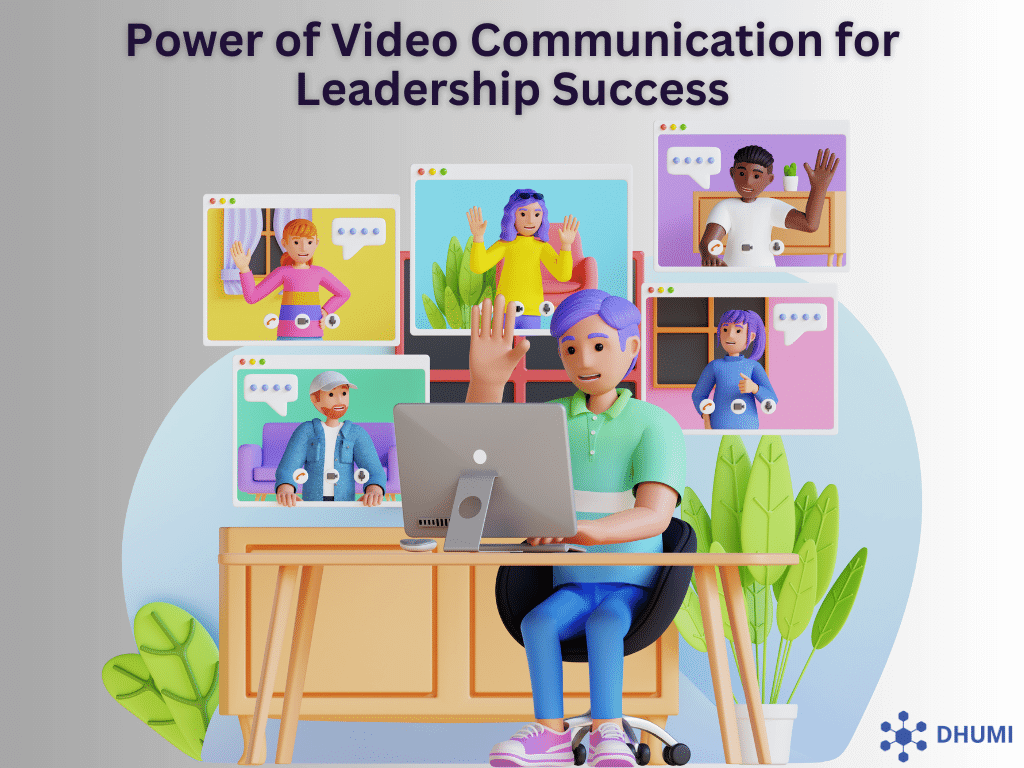
The Power of Video Communication for Leadership Success
In today's dynamic business landscape, effective leadership is more crucial than ever. With the rise of remote work and global teams, video communication has emerged as a powerful tool that can significantly enhance a leader's ability to connect, inspire, and guide their teams. This guide explores the profound importance of video communication for leadership success, highlighting its benefits and offering strategies for maximizing its impact.
Why Video Communication is Essential for Leaders
1. Fosters Connection and Trust: Seeing facial expressions and body language builds stronger relationships and trust, especially in remote settings.
2. Enhances Clarity and Understanding: Visual cues complement verbal messages, reducing ambiguity and improving comprehension.
3. Boosts Engagement: Video calls are more engaging than audio-only calls, keeping teams focused and attentive.
4. Projects Authenticity: Leaders can convey genuine emotions and personality, making them more relatable and inspiring.
5. Facilitates Global Collaboration: Connects leaders with diverse teams across different geographical locations seamlessly.
6. Improves Decision-Making: Real-time visual interaction allows for quicker understanding of complex issues and more informed decisions.
7. Supports Remote Work Culture: Essential for maintaining a cohesive and connected culture in hybrid or fully remote environments.
Key Benefits for Leadership Success
1. Stronger Team Cohesion: Regular video interactions help remote teams feel more connected and part of a unified whole.
2. Effective Crisis Communication: Leaders can deliver critical messages with empathy and clarity during challenging times.
3. Enhanced Employee Development: Facilitates more personal and impactful coaching, mentoring, and feedback sessions.
4. Improved Transparency: Video messages can be used to share company updates, vision, and strategy transparently.
5. Greater Influence and Persuasion: Visual presence adds weight to a leader's message, making them more persuasive.
6. Personal Branding: Leaders can build a stronger personal brand by consistently presenting themselves professionally and authentically on video.
Strategies for Maximizing Video Communication Impact
1. Prioritize Quality: Ensure good lighting, clear audio (use a dedicated microphone), and a stable internet connection.
2. Be Present and Engaged: Maintain eye contact with the camera, listen actively, and avoid multitasking.
3. Plan and Prepare: Have a clear agenda, key talking points, and any necessary visual aids ready.
4. Encourage Interaction: Use polls, Q&A, and breakout rooms to foster participation.
5. Be Authentic: Let your personality shine through. Authenticity builds trust.
6. Practice Active Listening: Show you're engaged by nodding, making eye contact, and summarizing points.
7. Record and Share: Record important meetings for those who couldn't attend or for future reference.
8. Optimize Your Background: Choose a clean, professional, and distraction-free background.
9. Dress Professionally: Even from home, present a polished image.
10. Follow Up: Send a summary of decisions and action items after the call.
The Future of Leadership and Video Communication
As work models continue to evolve, video communication will remain a cornerstone of effective leadership. Leaders who master this tool will be better equipped to build resilient, engaged, and high-performing teams, regardless of geographical distribution. Embracing video communication is not just about adopting a new technology; it's about evolving leadership for the digital age.