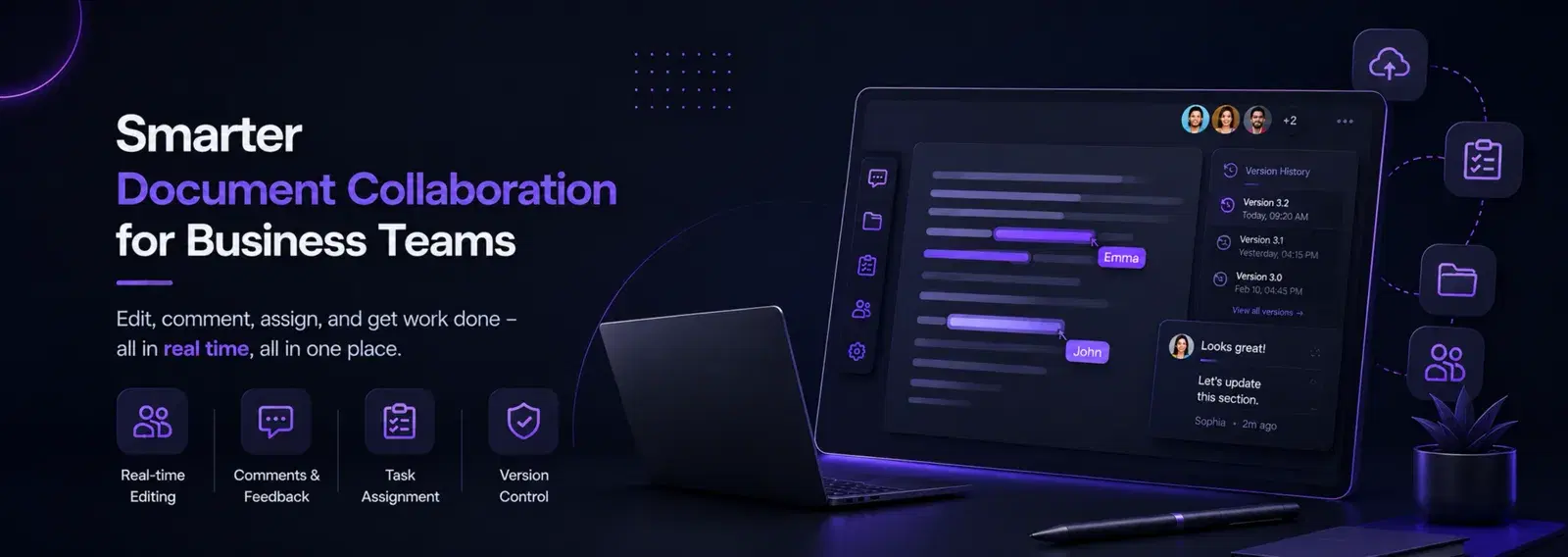

The hybrid work model, a flexible approach that combines remote and in-office work, has emerged as a prominent strategy for businesses adapting to the evolving landscape of work.
This model offers numerous benefits, including increased employee satisfaction, improved productivity, and enhanced talent acquisition.
However, successfully implementing a hybrid work model requires a well-thought-out strategy.
This guide explores key considerations and best practices for developing an effective hybrid work model strategy.
Understanding the Hybrid Work Model
A hybrid work model allows employees to split their time between working remotely and working from a physical office.
This flexibility can be structured in various ways, such as employees coming into the office on specific days, or having the autonomy to choose when and where they work.
The core idea is to leverage the advantages of both remote and in-office environments.
Benefits of a Hybrid Work Model
- 1Increased Employee Satisfaction: Offers flexibility, leading to better work-life balance and reduced commute stress.
- 2Improved Productivity: Employees can choose environments where they are most productive, whether it’s the quiet of home or the collaborative energy of the office.
- 3Enhanced Talent Acquisition and Retention: Attracts a wider talent pool by not being limited by geographical location and improves retention by offering desirable flexibility.
- 4Reduced Overhead Costs: Businesses can potentially downsize office spaces, leading to savings on rent and utilities.
- 5Greater Resilience: Provides business continuity during disruptions, as employees are already equipped for remote work.
- 6Diverse Perspectives: Fosters a more inclusive environment by accommodating different working styles and personal needs.
Key Components of a Hybrid Work Strategy
- 1Clear Policies and Guidelines: Establish clear expectations regarding work schedules, in-office days, communication protocols, and performance metrics.
- 2Technology Infrastructure: Invest in robust tools for virtual collaboration, communication, and cybersecurity to support both remote and in-office employees.
- 3Office Space Redesign: Adapt office layouts to support collaborative work, team meetings, and social interactions, rather than individual workstations.
- 4Communication Strategy: Develop a comprehensive communication plan to ensure all employees, regardless of location, stay informed and connected.
- 5Leadership Training: Equip managers with the skills to lead and support hybrid teams effectively, focusing on empathy, flexibility, and results.
- 6Employee Well-being: Prioritize mental health and well-being initiatives, offering resources and support for employees navigating hybrid work.
- 7Culture Building: Actively foster a cohesive company culture that bridges the gap between remote and in-office experiences.
- 8Feedback and Iteration: Regularly solicit feedback from employees and be prepared to adapt your strategy based on their needs and evolving circumstances.
Challenges and Solutions in Hybrid Work
- 1Challenge: Maintaining Equity Between Remote and In-Office Employees.
- 2Challenge: Fostering Connection and Collaboration.
- 3Challenge: Preventing Burnout and Overwork.
- 4Challenge: Cybersecurity Risks.