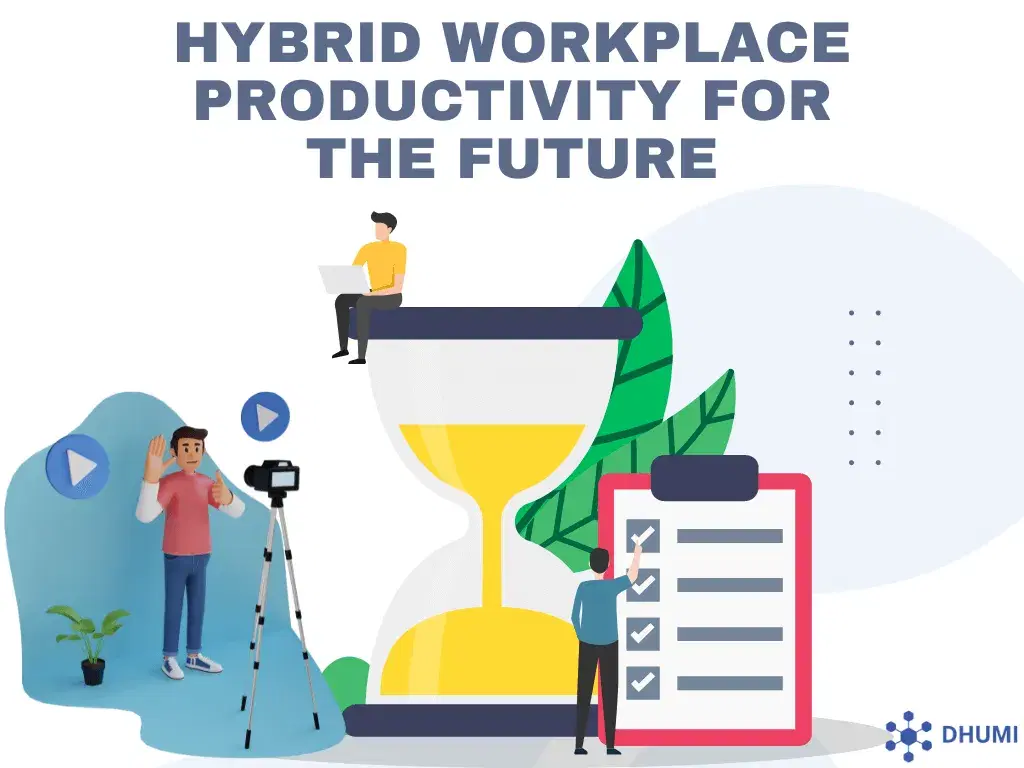
The hybrid work model, a blend of remote and in-office work, has rapidly transformed the global professional landscape.
Driven by technological advancements and evolving employee expectations, this flexible approach offers significant advantages but also presents new challenges.
This comprehensive overview explores the profound impact of hybrid work on businesses and employees, and delves into its potential future trajectory.
Understanding the Hybrid Work Model
The hybrid work model is a flexible arrangement where employees divide their time between working from a physical office and working remotely (e.g., from home).
This model aims to combine the benefits of both traditional office environments (collaboration, social connection) and remote work (flexibility, autonomy).
Impact on Businesses
- 1Increased Employee Satisfaction and Retention: Offering flexibility leads to higher job satisfaction, reduced stress, and lower turnover rates.
- 2Enhanced Talent Acquisition: Businesses can recruit from a wider geographical pool, attracting diverse talent.
- 3Reduced Overhead Costs: Potential for smaller office footprints, leading to savings on rent, utilities, and office supplies.
- 4Improved Productivity: Employees often report higher productivity due to reduced commute times and the ability to work in their preferred environment.
- 5Greater Resilience and Business Continuity: Companies are better equipped to handle disruptions (like pandemics or natural disasters) with an established remote work infrastructure.
- 6Innovation and Collaboration: While initially a concern, effective hybrid models can foster new ways of collaboration and innovation through digital tools and purposeful in-person interactions.
Impact on Employees
- 1Improved Work-Life Balance: Greater flexibility in managing personal and professional responsibilities.
- 2Reduced Commute Stress and Costs: Saves time and money previously spent on commuting.
- 3Increased Autonomy: Employees have more control over their work environment and schedule.
- 4Potential for Isolation: Remote work can lead to feelings of loneliness or disconnection if not managed with intentional social interaction strategies.
- 5Blurred Boundaries: The lines between work and personal life can become blurred, potentially leading to overwork or burnout.
- 6Digital Divide: Unequal access to reliable internet or suitable home office setups can create disparities.
The Future of Hybrid Work
- 1Continued Evolution: The hybrid model is not static; it will continue to evolve with technological advancements and changing workforce needs.
- 2Focus on Flexibility and Employee Choice: Companies will increasingly prioritize employee autonomy in determining their work arrangements.
- 3Investment in Technology: Further investment in AI-powered collaboration tools, virtual reality for meetings, and robust cybersecurity will be crucial.
- 4Redesigned Office Spaces: Offices will transform into hubs for collaboration, innovation, and social connection, rather than places for individual desk work.
- 5Emphasis on Culture and Connection: Organizations will need to be more intentional about fostering inclusive cultures that support both remote and in-office employees.
- 6Skill Development: Demand for skills in digital collaboration, self-management, and empathetic leadership will grow.
- 7Regulatory and Policy Changes: Governments and organizations may develop new regulations and policies to support hybrid work models.
Challenges and How to Address Them
- 1Challenge: Ensuring Equity and Inclusion.
- 2Challenge: Maintaining Strong Company Culture.
- 3Challenge: Cybersecurity.
- 4Challenge: Managerial Preparedness.