
In today’s interconnected professional world, teamwork is not just a buzzword; it’s a fundamental pillar of success for any organization.
The ability to collaborate effectively, communicate seamlessly, and work harmoniously towards a common goal is paramount.
This comprehensive guide delves into the essential teamwork skills, offering practical strategies and insights to help individuals and teams master the art of collaborative success.
Understanding Teamwork Skills
Teamwork skills are the interpersonal and collaborative abilities that enable individuals to work effectively within a group.
These skills encompass a range of behaviors and attitudes that contribute to a positive and productive team environment, fostering mutual respect, shared responsibility, and collective achievement.
Core Teamwork Skills
- 1Communication: The ability to clearly articulate ideas, actively listen, and provide constructive feedback.
- 2Collaboration: Working cooperatively with others, sharing knowledge, and contributing to collective tasks.
- 3Conflict Resolution: Addressing disagreements constructively, finding common ground, and maintaining positive relationships.
- 4Adaptability: Being flexible and open to new ideas, adjusting to changing circumstances, and embracing diverse perspectives.
- 5Reliability: Consistently fulfilling commitments, being accountable for tasks, and contributing consistently to team goals.
- 6Respect: Valuing diverse opinions, showing empathy, and treating all team members with courtesy.
- 7Problem-Solving: Working together to identify challenges, brainstorm solutions, and implement effective strategies.
- 8Active Listening: Paying full attention to what others are saying, understanding their perspectives, and responding thoughtfully.
- 9Empathy: Understanding and sharing the feelings of others, fostering a supportive and inclusive environment.
- 10Leadership (Shared): Taking initiative, guiding discussions, and motivating team members when appropriate, even without a formal leadership role.
Strategies for Developing Teamwork Skills
- 1Practice Active Listening: Make a conscious effort to truly hear and understand others before responding.
- 2Improve Communication: Work on clear, concise, and respectful verbal and written communication. Ask clarifying questions.
- 3Embrace Feedback: Be open to receiving feedback and provide it constructively to others.
- 4Participate Actively: Contribute ideas, offer help, and take initiative in team discussions and tasks.
- 5Learn Conflict Resolution Techniques: Develop skills to address disagreements calmly and focus on solutions.
- 6Be Flexible and Adaptable: Be willing to adjust your approach and consider alternative viewpoints.
- 7Build Trust: Consistently demonstrate reliability, honesty, and respect to foster a trusting environment.
- 8Understand Roles and Responsibilities: Clarify your role and how it contributes to the team’s overall objectives.
- 9Seek Training and Development: Participate in workshops or courses focused on teamwork, communication, and leadership.
- 10Reflect and Self-Assess: Regularly evaluate your own teamwork contributions and identify areas for improvement.
The Role of Technology in Enhancing Teamwork
- 1Collaboration Platforms: Tools like Microsoft Teams, Slack, and Google Workspace facilitate real-time communication and document sharing.
- 2Project Management Software: Asana, Trello, Jira help teams organize tasks, track progress, and manage deadlines.
- 3Video Conferencing: Zoom, Google Meet, Webex enable face-to-face interactions for remote and hybrid teams.
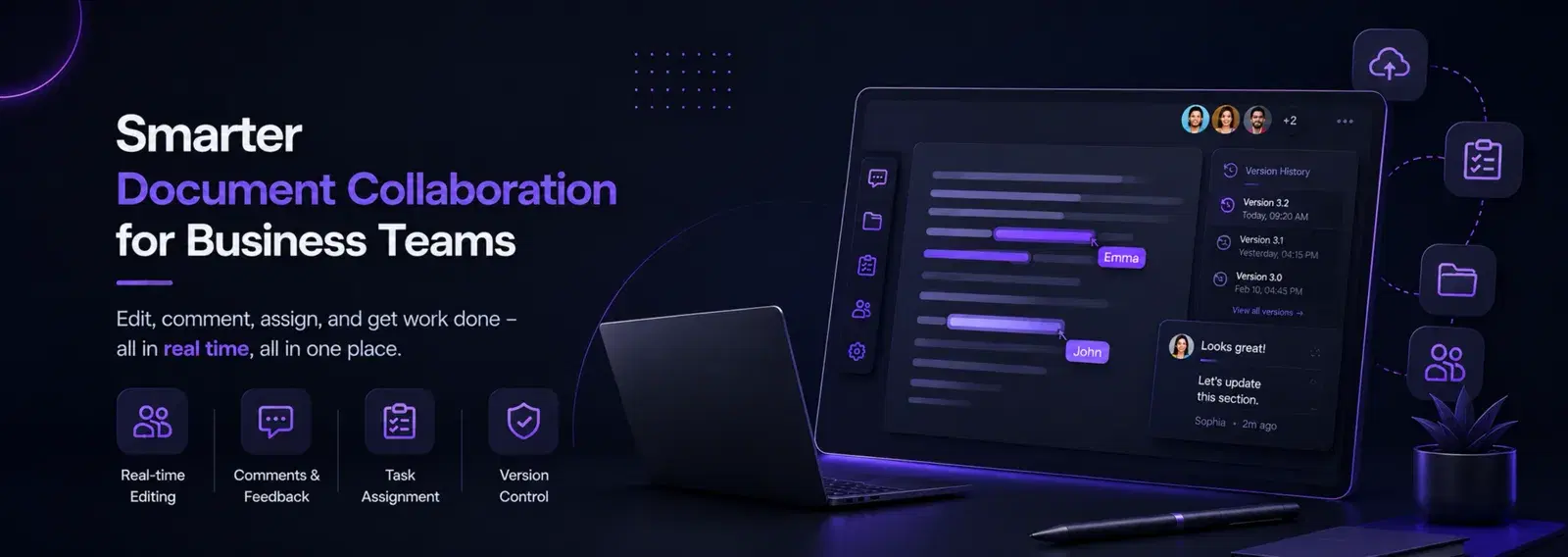
- 4Shared Document Editors: Google Docs, Microsoft 365 allow multiple users to work on the same document simultaneously.
- 5Virtual Whiteboards: Miro, Mural provide digital spaces for brainstorming and visual collaboration.
Measuring Teamwork Effectiveness
- 1Project Success Rates: Evaluate whether team projects are completed on time, within budget, and to quality standards.
- 2Team Member Feedback: Conduct surveys or informal check-ins to gauge satisfaction and collaboration levels.
- 3Communication Flow: Assess the clarity, frequency, and effectiveness of internal team communication.
- 4Conflict Resolution: Observe how conflicts are managed and resolved within the team.
- 5Innovation and Problem-Solving: Evaluate the team’s ability to generate new ideas and overcome challenges collaboratively.