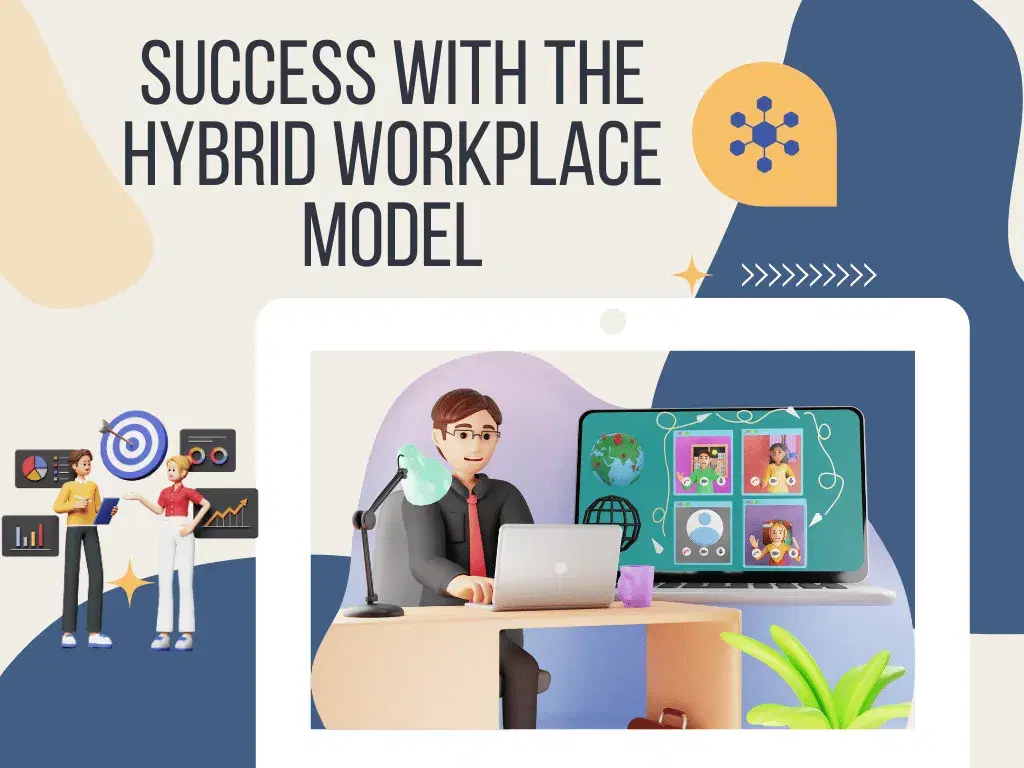
The hybrid workplace, blending remote and in-office work, has become a defining characteristic of modern business. While offering unprecedented flexibility, it also demands new strategies to ensure success, productivity, and employee well-being. This comprehensive guide explores actionable strategies for individuals and organizations to thrive in the hybrid workplace, maximizing its benefits and navigating its unique challenges.
Understanding the Hybrid Workplace
A hybrid workplace model allows employees to divide their work time between a physical office and a remote location (e.g., home). This flexibility can be structured in various ways, from fixed schedules to employee-led choices, aiming to optimize productivity, collaboration, and work-life balance.
Strategies for Individuals to Thrive in a Hybrid Workplace
- 1Establish Clear Boundaries: Define clear start and end times for your workday, and create a dedicated workspace to separate work from personal life.
- 2Master Time Management: Utilize tools and techniques (e.g., Pomodoro Technique, time blocking) to manage your schedule effectively and prioritize tasks.
- 3Proactive Communication: Over-communicate with your team and manager, especially when working remotely, to ensure everyone is informed of your progress and availability.
- 4Optimize Your Workspace: Ensure both your home and office setups are ergonomic, well-lit, and conducive to productivity.
- 5Prioritize Well-being: Take regular breaks, engage in physical activity, and maintain social connections to prevent burnout.
- 6Develop Digital Literacy: Become proficient with collaboration tools and virtual communication platforms.
- 7Be Intentional About In-Office Days: Use office time for collaborative meetings, brainstorming, and social interactions that are harder to replicate remotely.
- 8Seek Feedback and Growth: Actively ask for feedback on your performance and seek opportunities for professional development.
Strategies for Organizations to Maximize Hybrid Success
- 1Develop Clear Policies: Create transparent guidelines for hybrid work, including expectations for in-office presence, communication, and performance.
- 2Invest in Technology: Provide robust and secure tools for virtual collaboration, communication, and project management.
- 3Redesign Office Spaces: Transform offices into dynamic hubs for collaboration, team building, and social interaction, rather than rows of individual desks.
- 4Foster an Inclusive Culture: Ensure all employees, regardless of their work location, feel connected, valued, and have equal opportunities for growth.
- 5Train Leaders and Managers: Equip managers with the skills to lead, motivate, and support hybrid teams effectively, focusing on empathy and results-based management.
- 6Prioritize Employee Well-being: Implement programs and resources that support mental health, work-life balance, and prevent burnout.
- 7Optimize Communication Channels: Establish clear protocols for synchronous (real-time) and asynchronous (non-real-time) communication.
- 8Gather and Act on Feedback: Regularly survey employees to understand their needs and challenges, and adapt your hybrid model accordingly.
Challenges and Solutions in the Hybrid Workplace
- 1Challenge: Maintaining Equity.
- 2Challenge: Fostering Connection.
- 3Challenge: Preventing Burnout.
- 4Challenge: Cybersecurity.