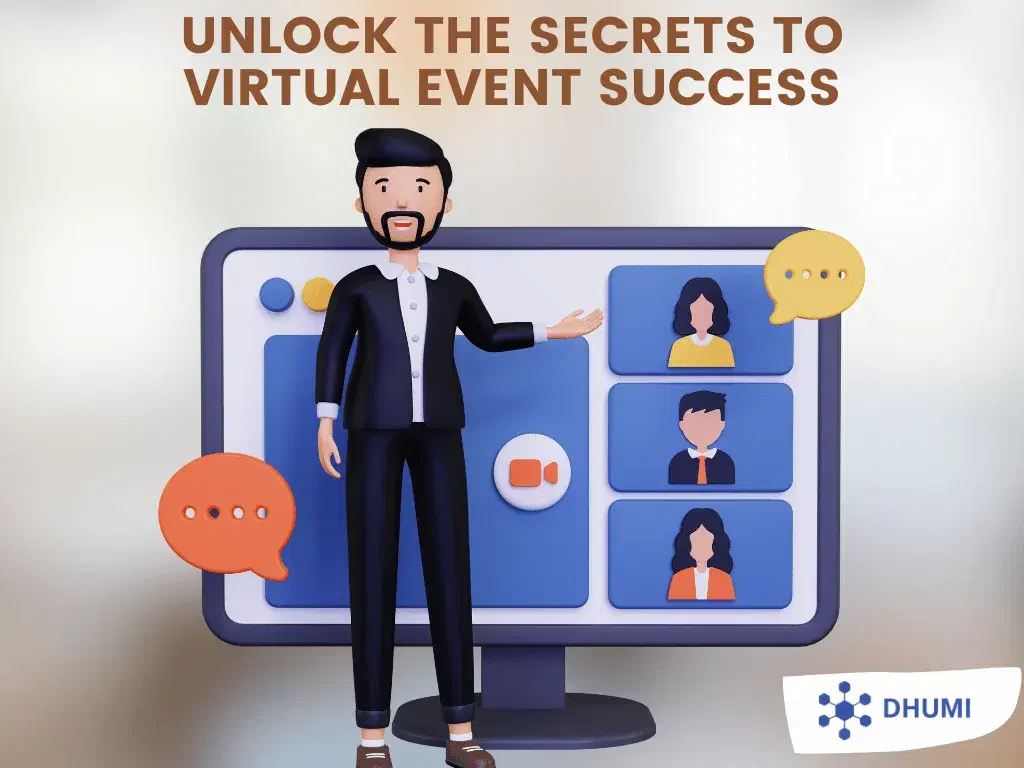
In an increasingly digital world, virtual events have become a powerful tool for businesses to connect with their audience, generate leads, and build brand loyalty. However, simply moving an in-person event online isn’t enough; true virtual event success lies in creating engaging, interactive, and memorable experiences. This comprehensive guide unveils the secrets to virtual event success, offering actionable strategies to captivate your audience and achieve your event objectives in the digital realm.
Understanding Virtual Event Success
Virtual event success is measured by its ability to achieve predefined objectives, such as attendee engagement, lead generation, brand awareness, or revenue generation, all while delivering a seamless and valuable experience to participants in an online environment. It’s about creating an event that resonates with your audience and leaves a lasting positive impression.
Key Pillars of Virtual Event Success
- 1Engaging Content: Deliver valuable, relevant, and interactive content that keeps your audience captivated.
- 2Seamless Technology: Utilize reliable platforms and tools that provide a smooth user experience.
- 3Audience Interaction: Incorporate polls, Q&A, chat, and networking opportunities to foster participation.
- 4Effective Promotion: Market your event strategically to attract the right audience and maximize attendance.
- 5Strong Facilitation: A skilled host or moderator can guide the event, manage discussions, and maintain energy.
- 6Data-Driven Insights: Collect and analyze data to understand attendee behavior and measure ROI.
- 7Pre- and Post-Event Engagement: Build anticipation before and extend the conversation after the event.
- 8Accessibility: Ensure your event is accessible to all participants, including those with disabilities.
Strategies for Engaging Your Virtual Audience
- 1Interactive Sessions: Replace long lectures with shorter, interactive segments like workshops, breakout rooms, and live demos.
- 2Gamification: Introduce quizzes, polls, leaderboards, or virtual scavenger hunts to make the event fun and competitive.
- 3Live Q&A and Chat: Encourage real-time questions and discussions through dedicated Q&A panels and chat features.
- 4Networking Opportunities: Facilitate virtual networking lounges, speed networking sessions, or one-on-one meeting schedulers.
- 5Dynamic Visuals: Use high-quality videos, engaging presentations, and interactive graphics to keep content visually appealing.
- 6Diverse Speakers and Formats: Feature a variety of speakers and mix up presentation formats to maintain interest.
- 7Personalized Experiences: Offer customizable agendas or content tracks based on attendee interests.
- 8Pre-Event Engagement: Build excitement with teaser content, speaker introductions, and pre-event polls.
- 9Post-Event Follow-Up: Share recordings, resources, and surveys to extend engagement and gather feedback.
- 10Technical Rehearsals: Conduct thorough technical checks with all speakers and presenters to prevent glitches.
Choosing the Right Virtual Event Platform
- 1Features: Look for features like live streaming, breakout rooms, networking tools, and analytics.
- 2Scalability: Ensure the platform can handle your expected number of attendees.
- 3Ease of Use: Choose a platform that is intuitive for both organizers and participants.
- 4Customization: Ability to brand the event with your logos and colors.
- 5Support: Reliable technical support is crucial during live events.
- 6Security: Ensure the platform offers robust security and privacy features.
Measuring Virtual Event ROI
- 1Attendance and Engagement Rates: Track registration-to-attendance conversion and active participation.
- 2Lead Generation: Measure the number of qualified leads generated during and after the event.
- 3Brand Awareness: Monitor social media mentions, website traffic, and media coverage.
- 4Revenue Generated: Track direct sales or pipeline influence from event attendees.
- 5Attendee Feedback: Use surveys to gauge satisfaction, content relevance, and overall experience.
- 6Content Consumption: Analyze which sessions were most popular and how long attendees watched.