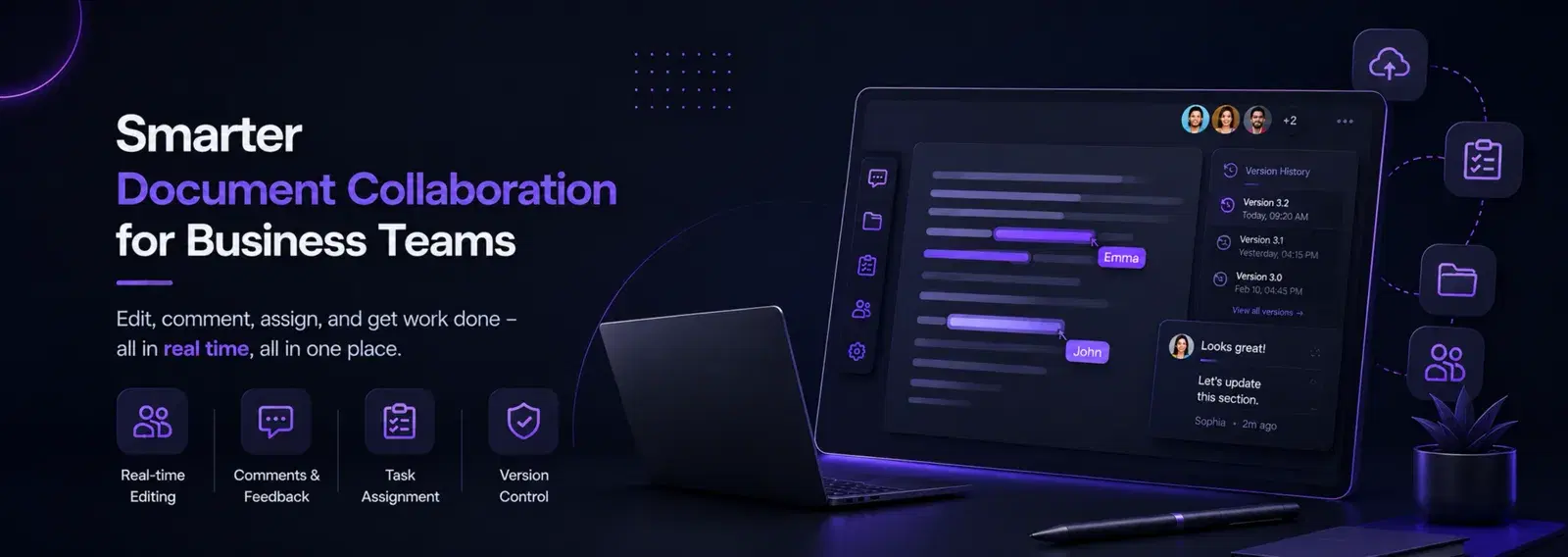
In today’s complex and interconnected business ecosystem, organizations often struggle with fragmented systems and disparate data sources when interacting with their network of providers, partners, and vendors. This fragmentation leads to inefficiencies, communication breakdowns, and increased operational costs. The solution lies in a Unified Provider Portal – a centralized platform designed to streamline interactions, enhance collaboration, and unify various industries under a single, efficient digital umbrella. This guide explores the concept, benefits, and implementation strategies for a Unified Provider Portal.
Understanding the Unified Provider Portal
A Unified Provider Portal is a single, secure online platform that serves as a central hub for all interactions between an organization and its external providers (e.g., suppliers, contractors, healthcare providers, educational partners). It consolidates various functionalities – from onboarding and credentialing to communication, document exchange, and performance management – into one cohesive system, eliminating the need for multiple logins and disparate processes.
Key Benefits of a Unified Provider Portal
- 1Streamlined Onboarding and Credentialing: Automates and simplifies the process of bringing new providers into the network, reducing administrative burden and time-to-service.
- 2Enhanced Communication and Collaboration: Provides a centralized channel for secure messaging, announcements, and real-time collaboration, improving information flow.
- 3Improved Data Management and Accuracy: Consolidates provider data in one place, ensuring consistency, reducing errors, and facilitating easier access for reporting and analytics.
- 4Increased Operational Efficiency: Automates manual tasks, reduces paperwork, and optimizes workflows, leading to significant cost savings and productivity gains.
- 5Greater Transparency and Visibility: Offers a clear overview of provider status, performance, and interactions, enabling better oversight and decision-making.
- 6Stronger Compliance and Security: Centralizes security protocols and ensures adherence to industry regulations (e.g., HIPAA, GDPR) for data protection.
- 7Better Provider Experience: Provides a user-friendly interface and self-service options, improving satisfaction and engagement among providers.
- 8Scalability: Easily accommodates growth in the provider network without significant increases in administrative complexity.
Core Features of a Unified Provider Portal
- 1Provider Directory: A searchable database of all registered providers with their profiles and contact information.
- 2Onboarding and Credentialing Workflows: Automated processes for application submission, document verification, and approval.
- 3Secure Messaging and Communication: In-platform messaging, announcement boards, and notification systems.
- 4Document Management: Centralized storage, sharing, and version control for contracts, policies, and other documents.
- 5Performance Management: Tools for tracking provider performance, service level agreements (SLAs), and feedback.
- 6Self-Service Options: Providers can update their profiles, submit inquiries, and access resources independently.
- 7Reporting and Analytics: Dashboards and reports to monitor provider engagement, compliance, and operational metrics.
- 8Integration Capabilities: Seamless connection with existing EHR, CRM, ERP, and other internal systems.
- 9Role-Based Access Control: Ensures that providers only access information relevant to their roles.
- 10Training and Resources: Access to training materials, FAQs, and support documentation.
Implementing a Unified Provider Portal: Best Practices
- 1Define Clear Objectives: Understand what specific problems the portal will solve and what outcomes you expect.
- 2Engage Stakeholders: Involve providers, internal teams, and IT from the planning stage to ensure buy-in and address needs.
- 3Choose the Right Platform: Select a scalable, secure, and user-friendly platform that integrates with your existing systems.
- 4Phased Implementation: Start with core functionalities and gradually roll out additional features.
- 5Provide Comprehensive Training: Offer clear training and support for both internal users and providers.
- 6Establish Governance: Define roles, responsibilities, and processes for managing the portal.
- 7Prioritize Data Security and Compliance: Ensure all data handling adheres to industry regulations and best practices.
- 8Gather Feedback and Iterate: Continuously collect feedback from users and make improvements to the portal.
- 9Promote Adoption: Communicate the benefits clearly to providers and encourage consistent use.
- 10Measure ROI: Track key metrics to demonstrate the portal’s value and impact on efficiency and provider satisfaction.