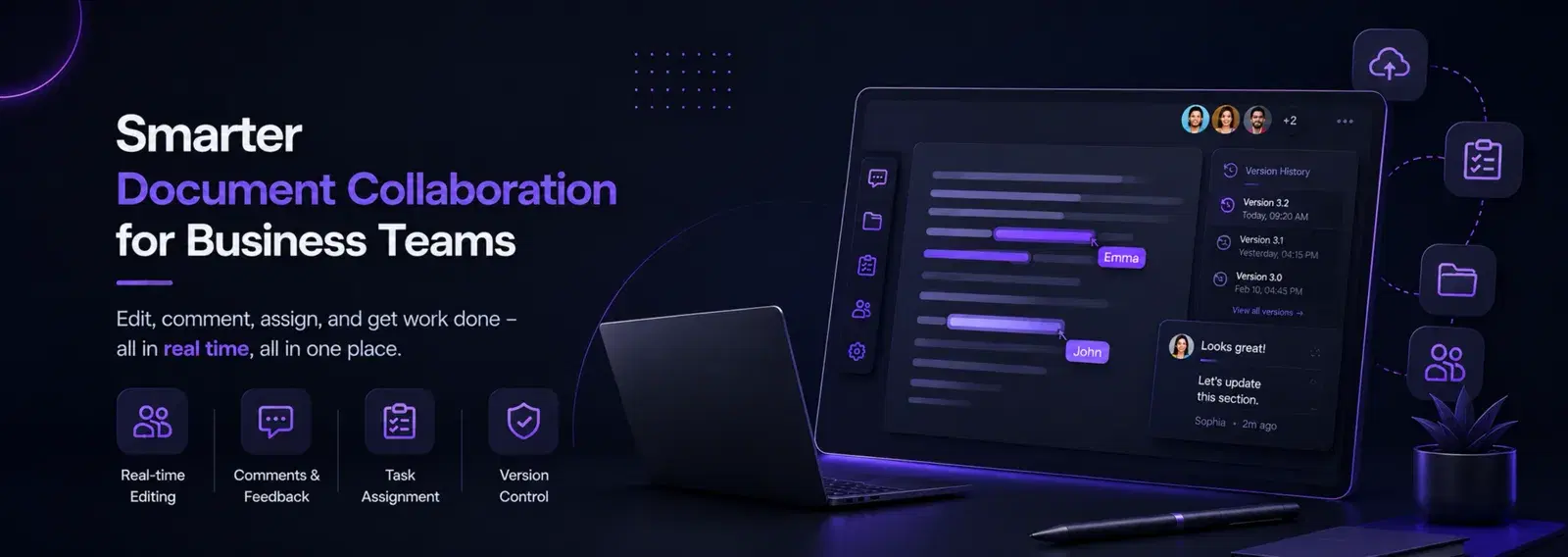

In today’s globalized and increasingly remote work landscape, video conferencing has become an indispensable tool for teams to stay connected, collaborate effectively, and maintain high levels of productivity. Beyond simple audio calls, video conferencing offers a rich, visual communication experience that bridges geographical gaps and fosters a stronger sense of team cohesion. This comprehensive guide explores the profound impact of video conferencing on remote teams, highlighting its benefits, key features, and strategies for maximizing its potential to enhance collaboration and productivity.
Understanding Video Conferencing for Remote Teams
Video conferencing for remote teams refers to the use of real-time audio and video communication platforms that enable team members to interact face-to-face, share information, and work collaboratively from different physical locations. These platforms are designed to replicate the experience of in-person meetings, offering visual cues and interactive features essential for effective remote teamwork.
Key Benefits for Remote Teams
- 1Enhanced Communication: Visual cues (facial expressions, body language) improve understanding and reduce misinterpretations.
- 2Stronger Team Cohesion: Regular face-to-face interactions foster a sense of connection, trust, and camaraderie among remote colleagues.
- 3Increased Productivity: Real-time collaboration, screen sharing, and instant feedback accelerate decision-making and project progress.
- 4Improved Engagement: Video calls are more engaging than audio-only calls, keeping participants focused and attentive.
- 5Global Talent Pool: Enables businesses to hire and collaborate with talent from anywhere in the world, breaking geographical barriers.
- 6Cost Savings: Reduces travel expenses and time associated with in-person meetings.
- 7Flexibility and Accessibility: Teams can connect from various devices and locations, offering unparalleled flexibility.
- 8Efficient Problem-Solving: Visual collaboration tools facilitate quicker identification and resolution of complex issues.
Essential Features of Video Conferencing Platforms for Remote Teams
- 1High-Quality Audio and Video: Crystal-clear communication is fundamental.
- 2Screen Sharing: Essential for presentations, document review, and collaborative work.
- 3Chat Functionality: For quick questions, sharing links, and asynchronous communication.
- 4Recording Capabilities: To capture meetings for those who couldn’t attend or for future reference.
- 5Virtual Whiteboards: For brainstorming, diagramming, and visual collaboration.
- 6Breakout Rooms: To divide large teams into smaller groups for focused discussions.
- 7Participant Controls: Host options to mute, unmute, remove, or manage participants.
- 8Integrations: Compatibility with project management tools, calendars, and other business applications.
- 9Security Features: End-to-end encryption, password protection, and waiting rooms to protect sensitive discussions.
- 10Cross-Platform Support: Accessibility across desktop, mobile, and web browsers.
Strategies for Maximizing Collaboration and Productivity
- 1Set Clear Agendas and Objectives: Ensure every meeting has a purpose and defined outcomes.
- 2Encourage Camera Use: Promote turning on cameras to enhance engagement and non-verbal communication.
- 3Facilitate Active Participation: Use polls, Q&A, and direct questions to involve all team members.
- 4Optimize Your Environment: Ensure good lighting, clear audio, and a distraction-free background.
- 5Establish Virtual Meeting Etiquette: Set ground rules for muting, speaking turns, and active listening.
- 6Leverage Collaborative Features: Make full use of screen sharing, whiteboards, and document co-editing.
- 7Be Mindful of Time Zones: Schedule meetings at times convenient for most participants, or record for others.
- 8Follow Up with Action Items: Send a summary of decisions and assigned tasks after each meeting.
- 9Provide Training and Support: Ensure all team members are comfortable with the technology and best practices.
- 10Foster a Culture of Trust: Build an environment where remote employees feel valued, heard, and connected.