OpenAI has rapidly emerged as a transformative force, reshaping industries and empowering individuals with its groundbreaking artificial intelligence technologies. From revolutionizing business operations to fostering personal development, OpenAI’s impact is profound and far-reaching. This comprehensive guide explores how OpenAI is transforming enterprise and personal growth, offering insights into its applications, benefits, and strategies for leveraging its full potential in 2026 and beyond.
Understanding OpenAI’s Impact
OpenAI, a leading AI research and deployment company, is at the forefront of developing advanced AI models like GPT (Generative Pre-trained Transformer) and DALL-E. These models are capable of understanding, generating, and manipulating human-like text, images, and other data, opening up unprecedented opportunities across various sectors.
Transforming Enterprise Operations
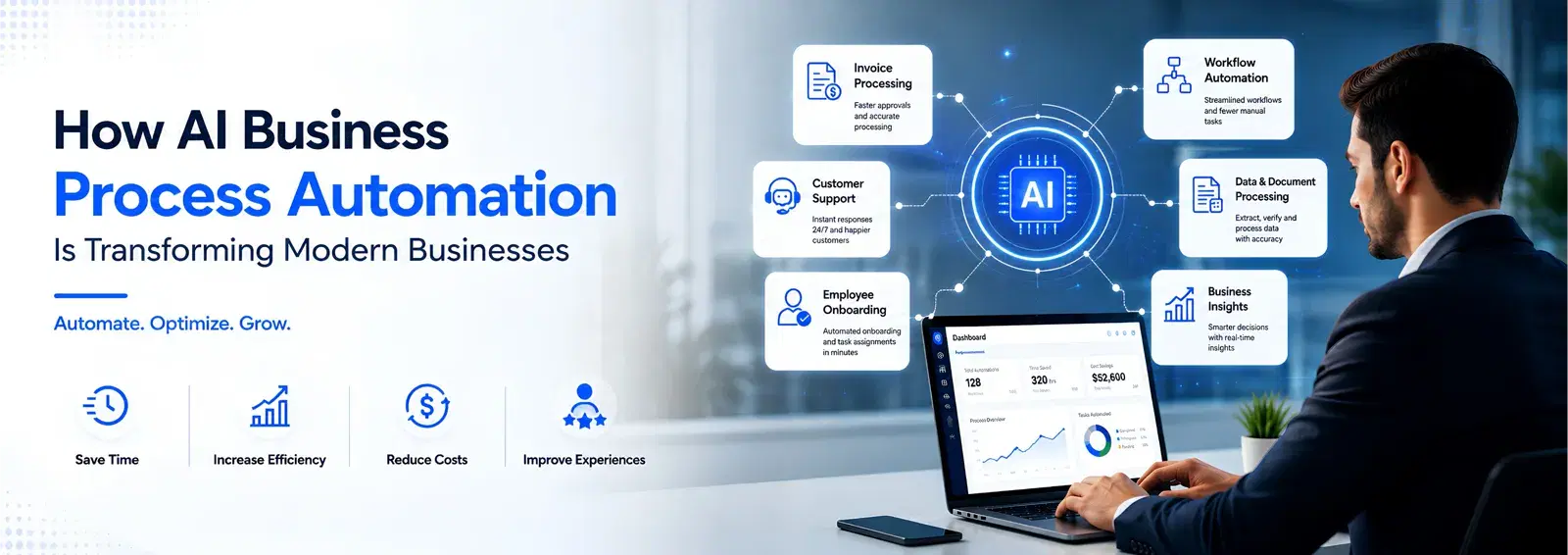
- 1Enhanced Customer Service: AI-powered chatbots and virtual assistants provide instant, personalized support, improving customer satisfaction and reducing operational costs.
- 2Automated Content Creation: Generate high-quality marketing copy, reports, and internal communications, saving time and resources.
- 3Data Analysis and Insights: Process vast amounts of data to identify trends, predict market shifts, and inform strategic decision-making.
- 4Software Development: Assist in code generation, debugging, and testing, accelerating development cycles and improving code quality.
- 5Personalized Marketing: Create highly targeted campaigns and product recommendations based on individual customer preferences.
- 6Supply Chain Optimization: Predict demand, optimize logistics, and improve inventory management through AI-driven analytics.
- 7Research and Development: Accelerate scientific discovery and innovation by analyzing complex datasets and generating hypotheses.
- 8Cybersecurity: Enhance threat detection, automate incident response, and improve overall security posture.
Fostering Personal Growth and Development
- 1Personalized Learning: AI tutors and adaptive learning platforms tailor educational content to individual needs and learning styles.
- 2Skill Development: Access AI-powered tools for language learning, coding practice, and creative writing, accelerating skill acquisition.
- 3Idea Generation and Brainstorming: Use AI as a creative partner to generate new ideas, overcome writer’s block, and explore different perspectives.
- 4Productivity Enhancement: Automate repetitive tasks, summarize information, and organize schedules, freeing up time for more meaningful activities.
- 5Mental Well-being: AI-powered apps can offer personalized mindfulness exercises, journaling prompts, and cognitive behavioral therapy (CBT) techniques.
- 6Career Advancement: Leverage AI for resume optimization, interview preparation, and identifying new career opportunities.
- 7Creative Expression: Utilize AI art generators and writing assistants to explore new forms of creative expression.
Strategies for Leveraging OpenAI’s Potential
- 1Start Small and Experiment: Begin with pilot projects to understand AI’s capabilities and limitations within your specific context.
- 2Invest in Training: Educate employees on AI tools and best practices to maximize adoption and effectiveness.
- 3Develop Ethical Guidelines: Establish clear ethical frameworks for AI usage to ensure responsible and fair implementation.
- 4Foster a Culture of Innovation: Encourage experimentation and continuous learning around AI technologies.
- 5Integrate Thoughtfully: Seamlessly integrate AI tools into existing workflows to enhance, not replace, human capabilities.
- 6Prioritize Data Security: Implement robust data governance and security measures when working with AI models.
- 7Stay Updated: The AI landscape is rapidly evolving; continuously monitor new developments and adapt your strategies.
- 8Focus on Human-AI Collaboration: Emphasize how AI can augment human intelligence and creativity, rather than replacing it.